Mastering the Text Effect Poster Style: A Comprehensive Guide to Scalable Vector Design
In the rapidly evolving landscape of visual communication, the demand for high-impact graphics has never been higher. Whether you are a graphic designer creating assets for a major campaign or a small business owner looking to print a banner for your storefront, the quality of your typography matters immensely. One specific aesthetic that has gained significant traction across various industries is the Text Effect Poster Style. This design approach combines bold typography with artistic manipulation to create visuals that stop scrolling thumbs and capture immediate attention.
The core advantage of utilizing this style lies in its versatility and scalability. Unlike raster-based images that become pixelated when enlarged, professional implementations often rely on vector formats such as EPS files. These files ensure that the text remains crisp at any size, from a mobile screen thumbnail to a massive billboard. Furthermore, the ability to edit these elements easily allows creators to adapt designs quickly without losing quality, making it an essential skill for modern digital artists.
Understanding the Core Characteristics of Text Effect Poster Style
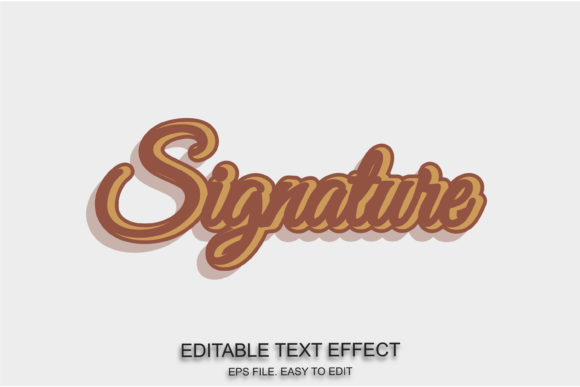
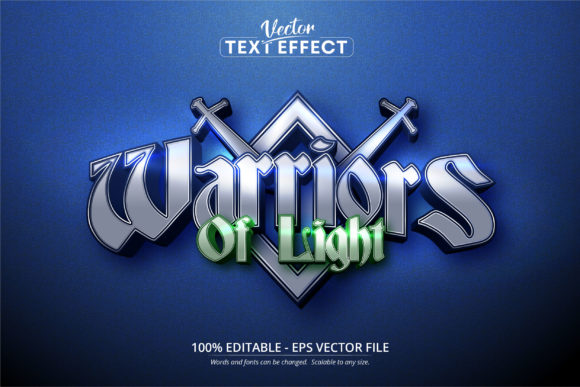
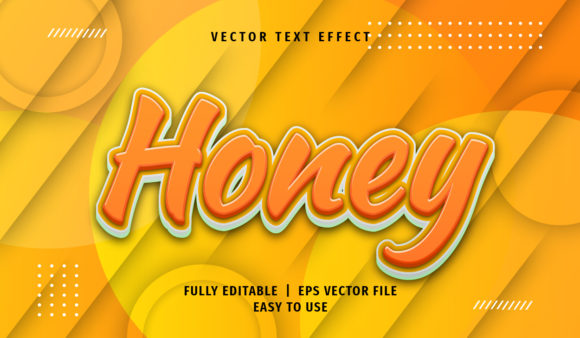
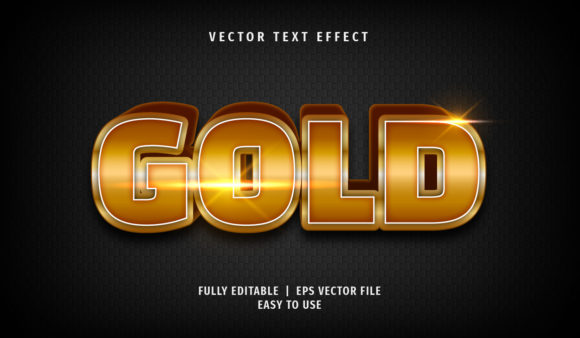
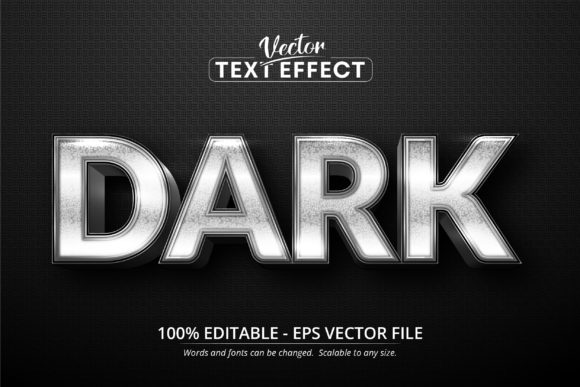
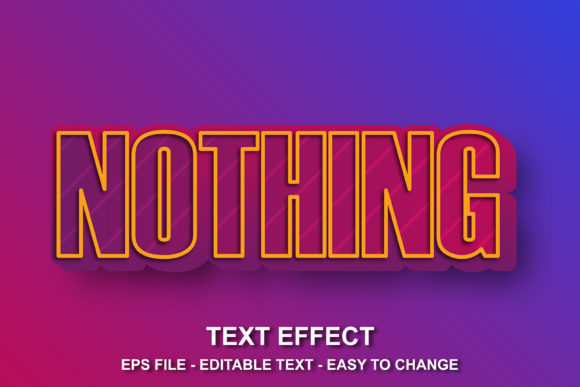
To appreciate the value of this design trend, one must first understand what defines it. The Text Effect Poster Style is not merely about applying a filter; it is a deliberate construction of visual hierarchy using type as the primary image. It transforms letters into shapes, textures, and compositions that convey emotion and meaning beyond their literal definition.
Key characteristics include:
- Bold Typography: Heavy weights and unique kerning are standard to ensure readability and impact.
- Layered Complexity: Designers often layer gradients, patterns, and textures within the letterforms themselves.
- Vector Precision: The use of scalable paths ensures that every curve and corner remains sharp regardless of output resolution.
- Adaptability: The style is designed to be fluid, allowing colors and fonts to change according to taste while maintaining structural integrity.
This approach bridges the gap between traditional poster art and modern digital illustration. It allows for a level of detail that is difficult to achieve with standard bitmap editing tools, particularly when the goal is to produce 100% scalable outputs.
The Technical Advantage of Vector-Based Workflows
When discussing the production of text effects, the file format is just as critical as the visual style. The industry standard for high-quality, editable typography is the EPS (Encapsulated PostScript) file. These files are inherently compatible with Adobe Illustrator CC and other vector-based software, providing a robust foundation for creative work.
One of the most significant benefits of working with EPS files in this context is the concept of 100 Editable Free font usage. In many vector templates, the text layers are not flattened. This means that a user can click on a word and immediately change the font family, adjust the tracking, or alter the color palette without degrading the image quality. This feature is invaluable for professionals who need to iterate quickly or customize designs for different brands.
For example, a marketing team might start with a sleek, modern sans-serif font for a tech product launch. Later, they may need to pivot to a retro serif style for a vintage clothing line. With a properly structured vector file, this transformation is instantaneous. The underlying geometric structures of the text effect remain intact, ensuring consistency in the overall look and feel while changing the personality of the piece entirely.
Practical Applications Across Industries
The utility of the Text Effect Poster Style extends far beyond simple decoration. Its applications are diverse, touching upon almost every sector that relies on visual storytelling. Understanding where and how to apply these techniques can significantly enhance the effectiveness of communication strategies.
Marketing and Advertising Campaigns
In the world of advertising, grabbing attention is the primary objective. Large-format posters, bus shelter ads, and social media banners require typography that cuts through the noise. By using scalable vector text effects, advertisers can ensure their message is legible and striking even from a distance. The ability to edit fonts and colors allows agencies to tailor campaigns to specific demographics or seasonal themes without commissioning new artwork from scratch.
Educational Materials and Infographics
Educators and researchers often struggle to make data-driven content engaging. Incorporating stylized text effects into educational posters, lecture slides, or infographics can help break up dense information. When complex concepts are paired with visually appealing typography, retention rates often improve. The clean lines of vector graphics ensure that these materials look professional when printed for handouts or displayed on projectors.
Event Branding and Merchandising
Conferences, music festivals, and community events rely heavily on branding to build excitement. T-shirts, tote bags, and event signage all benefit from the crispness of vector text. Because these items often require printing on various substrates, the 100% scalability of the design is crucial. A logo or event title that looks good on a website thumbnail must also look perfect on a large banner or a small button.
Digital Content Creation
Content creators, including YouTubers and streamers, constantly need eye-catching thumbnails and overlays. While video platforms often compress images, starting with a high-resolution vector source ensures the best possible outcome after compression. The flexibility to change fonts and styles means creators can maintain a consistent brand identity while keeping their visuals fresh and relevant.
Implementation Strategies for Creators
Creating a successful text effect requires more than just selecting a pretty font. It involves a strategic workflow that maximizes the potential of vector software. For those looking to implement the Text Effect Poster Style, following a structured process is recommended.
- Select the Right Foundation: Begin with a strong, legible typeface. The complexity of the effect should complement the font, not obscure it. Ensure the font supports the necessary character sets if internationalization is required.
- Leverage Expand Paths: Once the text is typed, convert it to outlines or expand the paths. This step is vital for applying fills, strokes, and effects that treat the letters as shapes rather than editable text objects.
- Apply Gradients and Meshes: To achieve depth, utilize gradient meshes or multiple overlapping shapes. This adds a three-dimensional quality that flat colors cannot provide.
- Maintain Editability: Even after expanding paths, keep layers organized. Use clipping masks instead of deleting background shapes. This preserves the ability to swap out the base font later if needed.
- Export Correctly: Save the final asset as an EPS or AI file to preserve the vector data. Always test the export by scaling the image up and down to verify that no artifacts appear.
This workflow ensures that the final product is not only beautiful but also functional for real-world production environments. It respects the time of the creator while delivering a high-quality result.
Considerations for Long-Term Usability
While the visual appeal of text effects is undeniable, there are practical considerations that professionals must address before deploying these assets. One common pitfall is over-complicating the design to the point where it becomes uneditable. If a design is flattened too early, the "100 Editable" promise is lost.
Additionally, accessibility is a growing concern in web and print design. High-contrast text effects are excellent for engagement, but they must still meet readability standards. Designers should ensure that the texture or pattern applied to the text does not reduce the contrast ratio below acceptable levels, particularly for users with visual impairments.
Another factor is file management. Vector files can sometimes become heavy if they contain thousands of anchor points. Regular optimization of the path data is necessary to ensure smooth performance when opening the file in older versions of software or on slower hardware. However, with modern computers and optimized workflows, this is rarely a limiting factor.
The Future of Typography in Digital Art
As technology advances, the tools available for creating text effects continue to evolve. We are seeing a rise in automated plugins and AI-assisted design tools that can generate complex vector structures based on simple prompts. Despite these advancements, the fundamental principles of the Text Effect Poster Style remain rooted in human creativity and intentional design choices.
The shift towards fully scalable, editable assets suggests a future where customization is seamless. Businesses will increasingly demand the ability to tweak designs in real-time without needing a full redesign cycle. This demand reinforces the importance of using formats like EPS and working within environments like Adobe Illustrator CC, where layers and properties are preserved.
For hobbyists and educators, this democratization of design tools means that high-quality, professional-grade graphics are more accessible than ever. The barrier to entry is lowering, allowing more people to express their ideas through sophisticated typography.
Conclusion
The integration of Text Effect Poster Style into professional workflows represents a powerful convergence of art and functionality. By prioritizing scalability, editability, and visual impact, designers can create assets that serve a wide range of purposes effectively. Whether used for a global marketing campaign, an educational resource, or a personal project, the ability to manipulate vector text with precision offers unparalleled freedom.
As we move forward, the emphasis on 100% scalable and editable solutions will only grow. Embracing these techniques allows creators to stay ahead of the curve, producing work that is not only aesthetically pleasing but also technically robust. The journey from a simple font choice to a complex, textured masterpiece is made easier by understanding the tools and principles outlined here. Ultimately, the goal is to enjoy the process of creation while delivering results that stand the test of time and scale.