Rustic Hen Chicken Farm Poultry Vintage: A Deep Dive into Design Utility and Customization
In the evolving landscape of digital asset design, finding a vector illustration that balances aesthetic charm with functional flexibility is a critical task for creators. The Rustic Hen Chicken Farm Poultry Vintage template represents a specific niche within this market, offering a blend of nostalgic imagery and technical precision. For professionals aged 20 to 50 who are evaluating design resources, understanding the nuances of this asset goes beyond simple visual appeal. It requires an analysis of its file structure, editability, and suitability for various commercial applications.
This resource is defined by its EPS 10 format, a standard that ensures compatibility across a wide range of professional software environments. Unlike raster images that lose quality when resized, this vector graphic allows for infinite scaling without pixelation. This characteristic makes it particularly valuable for projects ranging from small social media icons to large-scale print banners. However, the true value lies in the customization potential inherent to the vector path data.
Understanding the Core Architecture of the Template
The foundation of the Rustic Hen Chicken Farm Poultry Vintage design is built upon 100% vector paths. This means every curve, line, and shape is mathematically defined rather than being a collection of colored pixels. When opened in Adobe Illustrator, as recommended for optimal results, users can inspect individual elements separately. This structural integrity is what distinguishes high-quality templates from lower-tier stock graphics.
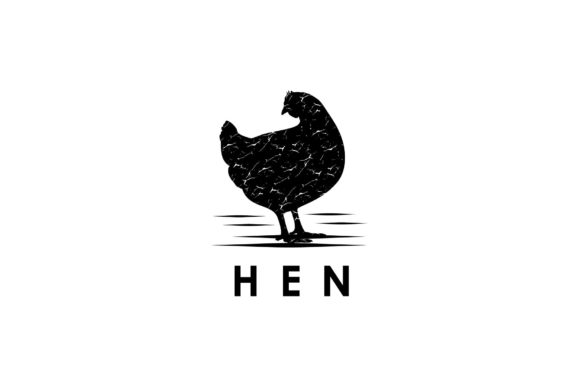
A significant advantage of this format is the ability to manipulate curves and paths directly. Designers often encounter situations where a generic image does not perfectly align with their brand guidelines. With this template, you are not locked into the original composition. You can alter the curvature of the hen's feathers, adjust the geometry of the farm structures, or reposition elements to create a unique layout. This level of control transforms a static image into a dynamic tool for branding.
However, there is a technical limitation that must be acknowledged immediately. While the graphical elements are fully editable, the text included in the original file is non-editable. In many vintage-style designs, typography is often converted to outlines or embedded as a rasterized layer to preserve the intended look. If a user wishes to change the wording, they cannot simply click and type over the existing letters. Instead, they must delete the old text layer and manually insert new text using a compatible font. This requirement adds a step to the workflow but ensures that the final output maintains the crispness of the vector art.
Technical Requirements and Workflow Considerations
To fully leverage the capabilities of the Rustic Hen Chicken Farm Poultry Vintage asset, familiarity with vector editing software is essential. The recommendation to use Adobe Illustrator is based on the software's robust handling of EPS 10 files. While other programs like Affinity Designer or Inkscape can open these files, complex path operations may render differently depending on the engine used.
For designers looking to replicate the exact typographic style of the template, the process involves identifying the specific font family used. Once identified, the font must be downloaded and installed locally before any text replacement can occur. This prerequisite ensures that the kerning, weight, and character spacing remain consistent with the original artistic vision. Without installing the correct font, replacing text may result in a visual mismatch that undermines the cohesive vintage aesthetic.
- Color Modification: The vector nature allows for instant global color changes. Users can update the entire palette to match current seasonal trends or corporate identity standards with a few clicks.
- Element Removal: Unwanted decorative flourishes or background elements can be deleted without affecting the remaining assets, streamlining the design for minimalist applications.
- Resizing and Positioning: Elements can be scaled up or down independently. This is crucial for creating variations of the same logo for different mediums, such as a favicon versus a billboard.
Evaluating Fit: When to Choose This Asset
Selecting the right design asset is rarely about finding the "best" option in a vacuum; it is about finding the best fit for a specific project context. The Rustic Hen Chicken Farm Poultry Vintage template excels in scenarios where authenticity and heritage are central themes. It is ideally suited for businesses in the agricultural sector, artisanal food producers, and craft breweries that wish to evoke a sense of tradition and organic quality.
Consider a local bakery that sources eggs from a nearby farm. Using a generic, modern clip-art chicken might feel disjointed and impersonal. In contrast, the vintage aesthetic of this template communicates a story of craftsmanship and time-honored methods. The rustic styling resonates with consumers who prioritize transparency and natural ingredients in their purchasing decisions.
Furthermore, the versatility of the vector format makes it suitable for diverse product lines. A farmer's market vendor could use the base design for a printed menu, then modify the colors and text to create packaging labels, tote bags, and window decals. Because the file is non-editable regarding the original text, the designer must plan ahead to ensure that the placeholder text serves as a good guide for the final copy, or they must be prepared to invest time in recreating the typography.
Comparative Analysis: Vector vs. Raster Alternatives
When comparing this vector template to raster-based alternatives (such as JPEGs or PNGs), the differences in utility become stark. A high-resolution raster image might look identical to the vector at a specific size, but it lacks the scalability required for professional print work. If a client requests the image for a large-format banner, a raster version would require expensive upscaling algorithms that often degrade image quality.
Similarly, compared to other vector formats like SVG, the EPS 10 standard offers broader compatibility with legacy printing systems and older versions of design software. While SVG is excellent for web development, the EPS format remains the industry standard for physical production workflows involving offset printing and large-format cutting machines. The Rustic Hen Chicken Farm Poultry Vintage asset bridges the gap between web-ready scalability and print-ready precision.
Another point of comparison is the level of customization offered against pre-made illustrations. Many online resources offer static images that cannot be altered. While these are cheaper and faster to deploy, they lack the uniqueness required for strong brand differentiation. By choosing a vector template that allows for path editing, curve modification, and element removal, the end-user gains a competitive edge. They are not just buying an image; they are acquiring a design system that can evolve with their brand.
Tradeoffs and Limitations to Consider
No single resource is perfect for every situation, and the Rustic Hen Chicken Farm Poultry Vintage template has specific limitations that buyers should weigh before purchase. The primary constraint is the learning curve associated with vector editing. For individuals or small business owners who rely solely on basic design tools, the ability to "edit the curves path" or "remove unwanted text" may present a challenge. These tasks require a certain level of proficiency in node manipulation and layer management.
Additionally, the reliance on external fonts introduces a dependency. If the specific font used in the template is obscure or paid, obtaining it may add to the overall cost of the project. Even if the font is free, the process of sourcing, installing, and matching the weights can be time-consuming. In a fast-paced environment where speed is the priority, this overhead might be a deterrent compared to using a template with fully editable text layers.
There is also the consideration of style specificity. The vintage aesthetic is distinct and deliberate. If a brand is aiming for a futuristic, ultra-modern, or corporate minimalist look, this template will likely clash with their visual identity. The rustic theme carries a specific emotional weight that may not translate well to all industries. For example, a tech startup or a financial institution might find the imagery too informal or dated for their target audience.
Making the Final Decision
The decision to utilize the Rustic Hen Chicken Farm Poultry Vintage template ultimately rests on a balance between aesthetic alignment and technical capability. If your project demands a high degree of customization, scalability, and a connection to traditional values, this asset provides a robust foundation. The ability to change colors, resize elements, and manipulate paths ensures that the final output is tailored precisely to your needs.
Conversely, if your workflow relies heavily on rapid deployment without extensive editing, or if you lack access to advanced vector software, you may need to consider alternatives that offer more out-of-the-box flexibility. However, for those willing to invest the time in mastering the file, the return on investment is significant. The resulting design will possess a level of polish and uniqueness that stock photography simply cannot achieve.
Ultimately, the value of this resource is realized through the effort applied to it. It is not a passive image but an active component of a design strategy. Whether used for a farm-to-table restaurant, a community event poster, or a specialized product label, the Rustic Hen Chicken Farm Poultry Vintage template offers a versatile starting point for creating memorable visual identities. By understanding its strengths, respecting its limitations, and preparing for the necessary technical steps, creators can harness its full potential to deliver professional-grade results.