Real Estate Postcard: A Comprehensive Guide to Professional Marketing Materials
In the competitive landscape of modern property sales and rentals, standing out requires more than just a great listing; it demands a tangible connection with potential clients. This is where a Real Estate Postcard serves as an essential tool for agents, brokers, and business owners looking to establish a lasting impression. Unlike digital advertisements that can be easily scrolled past, a physical postcard offers a direct line of communication that cuts through the noise of the inbox. Whether you are hosting an open house, announcing a new listing, or simply maintaining relationships with past clients, understanding how to leverage this medium effectively is crucial for success.
The Core Purpose of Real Estate Postcards
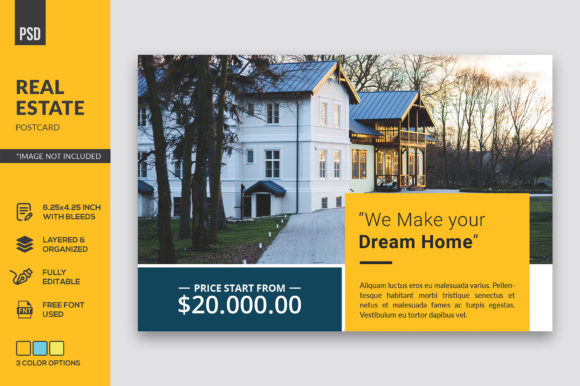
The primary function of a Real Estate Postcard is to deliver a concise, visually appealing message that prompts immediate action. In real estate, time is often of the essence, and the attention span of a potential buyer or seller is fleeting. A well-designed postcard acts as a visual hook, drawing the recipient in with high-quality imagery and clear typography before they even read the first word. It transforms a simple notification into a memorable brand experience.
For professionals, these cards are not merely pieces of paper; they are extensions of their personal brand. They convey professionalism, reliability, and market expertise. When a client receives a beautifully crafted card featuring a stunning home photo, they subconsciously associate that quality with the agent's service. This psychological link is vital for building trust in a transaction-heavy industry.
Key Characteristics of an Effective Design
To truly maximize the impact of your marketing efforts, the design must adhere to specific structural and aesthetic standards. The most successful templates share several common traits:
- Visual Hierarchy: The most important information—such as the headline, the featured property image, or the call to action—must be immediately visible.
- Clean Layout: Avoid clutter. White space allows the eye to rest and focuses attention on the key elements.
- Color Psychology: Colors play a significant role in evoking emotion. Warm tones might suggest comfort and home, while cool tones can imply trust and stability.
- Readability: Fonts must be legible from a distance. The text should complement the image, not compete with it.
When evaluating a template for your next campaign, look for a structure that supports these characteristics. A chaotic design will confuse the reader, whereas a logical flow guides them naturally toward the desired outcome.
Why Editable Templates Are Essential for Modern Agents
Gone are the days when creating professional marketing materials required hiring a graphic designer for every single project. Today, efficiency is key, and that is where pre-structured, editable templates become invaluable. A high-quality Real Estate Postcard template is designed to be user-friendly, allowing anyone with basic computer skills to customize the content without compromising the design integrity.
The power of these tools lies in their organization. Consider a scenario where an agent has five new listings to promote in a week. Using a template, they can update the photos, change the address, adjust the price, and swap the contact details in minutes. This speed allows for agility in the market, ensuring that marketing materials are always fresh and relevant.
Technical Features That Simplify Workflow
Not all templates are created equal. The best options offer specific technical features that streamline the editing process:
- Smart Objects: This is perhaps the most critical feature for image handling. Smart Objects allow you to replace placeholder images with your own property photos instantly. You do not need to worry about resizing, cropping, or losing resolution. Simply double-click the layer, drop in your new image, and save—the entire composition updates automatically while maintaining perfect alignment.
- Layer Organization: A well-structured file groups layers logically by name (e.g., "Header Text," "Property Photo," "Contact Info"). This prevents confusion during the editing process and ensures that moving one element does not break the layout of another.
- Print-Ready Specifications: Professional results require print-ready files. Look for templates set to 6.25x4.25 inches, which is the standard size for postcards. Furthermore, the file should be configured in CMYK color mode at 300dpi. This ensures that the final printed product is crisp, vibrant, and free from pixelation.
- Free Font Inclusion: Typography costs money if licensed incorrectly. High-quality templates often include the necessary font files or use standard system fonts, eliminating the risk of missing fonts when opening the file.
Practical Applications and Use Cases
The versatility of a Real Estate Postcard extends far beyond just advertising a single home. While listing announcements are a primary use case, the applications are diverse and strategic.
Open House Invitations: One of the most effective ways to generate foot traffic is to mail out postcards to neighbors within a three-mile radius. These cards can highlight the unique features of the home and provide clear directions and times, inviting locals to explore the property.
Just Listed/Just Sold Announcements: Keeping your network informed is a powerful way to stay top-of-mind. Sending a "Just Sold" postcard to the neighborhood celebrates the sale and subtly reminds residents that you are active and successful in their area. Similarly, a "Just Listed" card generates buzz and inquiries from people who may have been waiting for a home like this.
Market Updates and Educational Content: Not every postcard needs to sell a specific property. Some are designed to educate. Sharing local market statistics, interest rate trends, or home maintenance tips positions the agent as a trusted advisor rather than just a salesperson. This builds long-term relationships that pay off when the recipient decides to buy or sell.
Evaluating Suitability for Your Needs
Before committing to a specific template, it is important to assess whether it aligns with your current goals and technical capabilities. While the convenience of an editable template is undeniable, there are considerations to keep in mind.
First, consider your software proficiency. Most professional templates are designed for Adobe Photoshop or similar vector-based software. If you are not familiar with these programs, the learning curve might be steep initially. However, once you understand the concept of Smart Objects and layer groups, the process becomes intuitive. For those seeking an alternative, some providers offer Canva-compatible versions, though the flexibility of PSD files is generally superior for complex edits.
Secondly, evaluate the customization limits. A good template should allow you to change colors, fonts, and images freely. However, some rigid designs may restrict you from altering the fundamental layout. Ensure the template you choose offers enough flexibility to reflect your unique brand identity without requiring a complete redesign.
Common Pitfalls to Avoid
Even with a perfect template, mistakes can happen during the creation process. One common error is using low-resolution images. Because real estate relies heavily on visuals, a blurry photo can ruin the entire design. Always ensure your source images are high-quality before placing them into the Smart Object layers.
Another pitfall is neglecting the proofreading stage. Since the text is editable, typos in phone numbers, addresses, or legal disclaimers can occur easily. Always review the text multiple times and, if possible, have a colleague check the final PDF before sending it to the printer.
Maximizing the Value of Your Investment
Investing time in creating a professional Real Estate Postcard pays dividends in credibility and conversion rates. By utilizing a structured, layered, and organized template, you save hours of design work while producing a result that rivals custom graphics. The ability to quickly adapt the design for different neighborhoods, price points, or property types means your marketing strategy remains dynamic and responsive.
Ultimately, the goal is to create a seamless experience for the recipient. From the moment they pick up the card to the moment they scan the QR code or dial the number, every element should work together harmoniously. With the right tools and a clear understanding of the design principles involved, real estate professionals can turn a simple piece of paper into a powerful engine for growth.
Whether you are a seasoned broker managing a large portfolio or a new agent building your reputation, the right Real Estate Postcard template provides the foundation you need to succeed. By focusing on clarity, organization, and ease of use, you can ensure that your marketing materials not only look great but also drive real-world results.