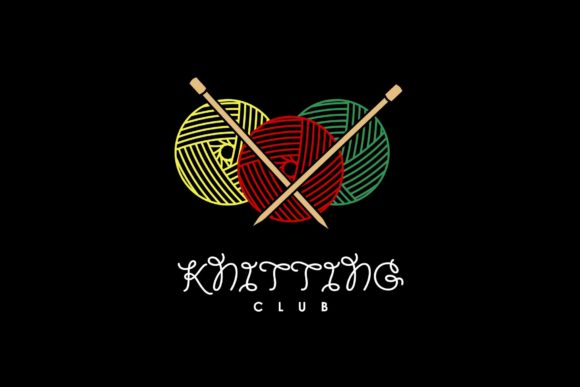
Colorful Woolen Yarn and Cross Needle: A Practical Guide to Creative Integration
In the modern landscape of digital design and creative production, assets often serve as more than just visual elements; they are foundational components that dictate the flow of a project. The Colorful Woolen Yarn and Cross Needle vector set represents a specific type of high-quality graphic resource designed for professionals who require versatility without sacrificing detail. While the subject matter may appear whimsical or craft-oriented, its application extends far beyond simple decoration. For entrepreneurs, marketers, and educators, understanding how to integrate this asset into a broader workflow is essential for maintaining consistency and efficiency.
This resource is delivered as a single EPS 10 file containing 100% vector graphics. This technical specification is critical for anyone looking to incorporate it into commercial projects, branding materials, or educational content. Unlike raster images that lose quality when resized, vector paths allow for infinite scaling. Whether you are designing a large-scale banner for a trade show or a tiny icon for a mobile application, the Colorful Woolen Yarn and Cross Needle remains crisp and professional. The primary tool required to unlock its full potential is Adobe Illustrator, which ensures that the curves, colors, and layers can be manipulated with precision.
Strategic Placement in the Creative Workflow
Integrating a specialized asset like this requires planning before the actual editing begins. In a typical project lifecycle, graphics are not merely added at the end; they influence the layout and tone from the very beginning. When working on a brand identity for a small business owner or creating educational materials for an educator, the choice of imagery sets the stage for the entire message.
The Colorful Woolen Yarn and Cross Needle fits naturally into processes that involve creativity, crafting, community building, or textile-related industries. However, its utility is not limited to niche markets. Consider a marketing campaign for a handmade goods store. Before finalizing the copy or selecting photography, a designer might place this vector element into the composition to establish a warm, tactile aesthetic. Because the file is non-editable text by default, the designer must plan their typography strategy early. If the template includes placeholder text that does not align with the brand voice, it should be removed or replaced immediately.
For freelancers and publishers managing multiple client projects, the timing of asset integration is a matter of organization. Keeping a library of well-structured vector files allows for rapid prototyping. Instead of starting from scratch every time a new brochure or social media post is needed, having access to a pre-made, editable vector allows the creator to focus on the strategic message rather than the mechanical drawing of lines. This shift in focus accelerates the delivery of high-quality work, which is a key metric for productivity-minded users.
Technical Preparation and Compatibility
Before diving into the creative process, technical preparation is vital. The requirement to open the EPS file using Adobe Illustrator is not arbitrary; it stems from the need to preserve the integrity of the vector data. Opening this file in incompatible software can result in flattened images, lost transparency, or distorted curves. To ensure a smooth implementation, verify that your version of Illustrator supports EPS 10 standards. This ensures that all layers, groups, and paths remain intact.
One of the most significant advantages of this vector set is the ability to edit curves and paths. In a real-world scenario, a logo for a local knitting shop might need slight adjustments to fit a specific aspect ratio. With the raw vector data, you can alter the curvature of the needle or the thickness of the yarn strands without pixelation. This flexibility is crucial for maintaining visual consistency across different media platforms. For example, if the same image is used on a website header and a printed flyer, the ability to resize and reposition elements ensures that the visual hierarchy remains effective regardless of the medium.
It is also important to address the font issue mentioned in the asset documentation. Any review will appreciate the attention to detail, but it also highlights a common pitfall. If the template includes text elements that utilize a specific font, those characters will not render correctly unless the font is installed on your system. To avoid broken text links or generic substitutions that ruin the design, download and install the necessary fonts first. This step is part of the preparation phase and prevents costly delays during the execution stage. Once the environment is set up, you can proceed with confidence, knowing that the typography will match the intended aesthetic.
Customization for Specific Use Cases
The true value of the Colorful Woolen Yarn and Cross Needle lies in its adaptability. While the original design offers a complete visual narrative, rarely does a project require the asset exactly as provided. Customization is where the professional workflow shines. You can change the colors to match a corporate palette, remove unwanted text to create a clean icon, or add new elements to tell a more complex story.
- Brand Alignment: Marketers often need to align stock assets with strict brand guidelines. By altering the color values of the yarn and needle, you can transform a generic illustration into a branded asset. This process involves selecting the specific paths and applying new fills, ensuring that the texture of the wool remains visible while adopting the brand's hue.
- Focus and Hierarchy: In educational materials or infographics, clutter can reduce comprehension. Removing unwanted text or secondary elements allows the viewer to focus on the core message. This simplification is a form of quality control that enhances the user experience.
- Scalability and Composition: Resizing and positioning are fundamental skills for any creator. You might use the yarn and needle as a border element for a blog post header or scale it down to act as a bullet point in a presentation slide. The vector nature of the file makes these transformations seamless.
For hobbyists and small business owners, the ability to edit the curves path opens up opportunities for personalization. Perhaps you want to modify the shape of the needle to represent a specific type of stitching technique. This level of control turns a static image into a dynamic tool that evolves with your project needs. It transforms the asset from a passive image into an active component of your design system.
Integration with Broader Systems
A creative asset does not exist in a vacuum; it interacts with other tools, resources, and decisions. In a collaborative environment, such as a team of designers or a cross-functional marketing group, the workflow depends on clear communication and standardized file formats. Providing the native Illustrator file ensures that team members can continue the work without losing fidelity. This interoperability is essential for long-term use and maintenance of digital assets.
When integrating this vector into a larger system, consider how it affects the overall document structure. Does it require a specific layer naming convention? Should it be grouped with other elements for easier management? These organizational decisions impact efficiency. A well-organized file structure makes future edits faster and reduces the likelihood of errors. For instance, if you are creating a series of illustrations for a book, keeping the yarn and needle elements in a separate, clearly labeled layer allows you to toggle their visibility or apply global changes later without affecting the rest of the artwork.
Furthermore, the decision to use this specific asset reflects a commitment to quality. In a market saturated with low-resolution clip art, providing high-quality vector graphics signals professionalism to your audience. Whether you are producing content for adults aged 20–50 who value authenticity and clarity, or targeting a younger demographic with vibrant visuals, the quality of the asset plays a role in perceived credibility. The ability to refine the curves and adjust the composition demonstrates a dedication to excellence that resonates with discerning viewers.
Long-Term Value and Maintenance
Investing time in properly setting up and customizing the Colorful Woolen Yarn and Cross Needle yields benefits that extend beyond the immediate project. As workflows evolve and brand identities shift, having a library of editable, high-quality vectors allows for agility. You are not locked into a static image; you have a malleable component that can grow with your needs.
Consistency is another factor in long-term success. By standardizing how you use this asset across various touchpoints—social media, print, web, and packaging—you build a cohesive visual language. This consistency reinforces brand recognition and helps users navigate your content more easily. It reduces cognitive load for the audience, allowing them to focus on the information rather than deciphering inconsistent visual styles.
Ultimately, the goal is to create a seamless blend between technical capability and creative vision. By following the recommended steps—opening the file in the correct software, installing necessary fonts, and utilizing the editing tools to customize colors and shapes—you ensure that the asset serves its purpose effectively. This approach respects the principles of helpful content and practical execution, prioritizing the user's ability to achieve their goals efficiently. Whether you are a professional designer, a freelancer managing tight deadlines, or an entrepreneur building a brand from the ground up, mastering the integration of such assets is a skill that pays dividends in quality and speed.
The process of adapting the Colorful Woolen Yarn and Cross Needle is a microcosm of the larger creative workflow: prepare, execute, refine, and deploy. By treating this vector not as a finished product but as a starting point for customization, you unlock its full potential. The result is a polished, professional output that stands out in a crowded digital space, proving that even the smallest details can have a significant impact on the overall success of a project.